Spiritual Authority vs. Spiritual Abuse and How to Heal
Understanding Spiritual Authority. Confronting Spiritual Abuse. Helping the Wounded Find Freedom.
"Helping the Wounded Heal" is a Christian memoir and theological study that chronicles Ralph Good's journey from profound spiritual abuse to spiritual freedom. The narrative begins in Part 1 by establishing Ralph's traumatic foundation. Raised partially by strict, legalistic grandparents, Ralph's earliest understanding of God is characterized by fear and punishment, symbolized by being locked in a dark closet for childhood infractions. This fear drives his father away from church and isolates the family. In his young adulthood, while living above a bar, Ralph had a genuine, life-altering vision of Jesus that pulled him out of a life of rock-and-roll and substance abuse. However, his earnest desire to serve God leads him into the grasp of manipulative church leaders. Pastors and elders weaponized scriptures like Romans 13 to demand total submission to their personal visions, forbidding Ralph from pursuing his own education or musical dreams. The psychological torment of this spiritual abuse ultimately culminates in a desperate suicide attempt. As he prepared to swallow a handful of pills, divine intervention stopped Ralph, and he hears the Holy Spirit clearly state regarding the abuse: "It was not Me."
"Part 2 transitions from memoir into a rigorous theological defense against spiritual abuse. Ralph realizes that his submission was born from a 'fear of man' disguised as the 'fear of God.' To understand why God would allow authority to be so abusive, Ralph undertakes an exhaustive study of the concept of authority in the Bible. He explores every Greek word translated to authority and discovers a duality: exousia defines God's power and authority; as well as Satan's kingdom of darkness. By analyzing Jesus' specific use of Greek words like katakurieuo (to lord over), Ralph proves that Jesus actively forbade worldly, dominating leadership structures within the church. Ralph argues that when leaders demand unbiblical submission under the threat of divine judgment, they are erecting a 'False Altar of Authority,' exhibiting the spirit of the Antichrist, and forcing believers to break the First Commandment by putting a human leader before God. The section concludes by outlining the 28 biblical qualifications for healthy, servant-hearted leadership.
"Part 3, Celebrating Freedom, details the real-world application of Ralph's theological liberation. Free from the fear of human judgment, Ralph is no longer a passive victim. He becomes a truck driver, establishes a successful rental property business, and begins recording the gospel music he was once forbidden to play. Most significantly, when he purchases a property in a neighborhood overrun by violent drug dealers, Ralph refuses to submit to their intimidation. Relying on his God-given authority and the true biblical mandate to protect the vulnerable, he single-handedly starts a neighborhood crime watch, boldly confronting armed criminals. His fearless actions earned him citations from the Governor, the State Senate, the House of Representatives, and the mayor. The book concludes with Ralph fully actualized in his faith, proving that understanding true biblical authority and standing up to corrupt religious authorities is not rebellion, but obedience to God, empowering believers to live fearlessly."
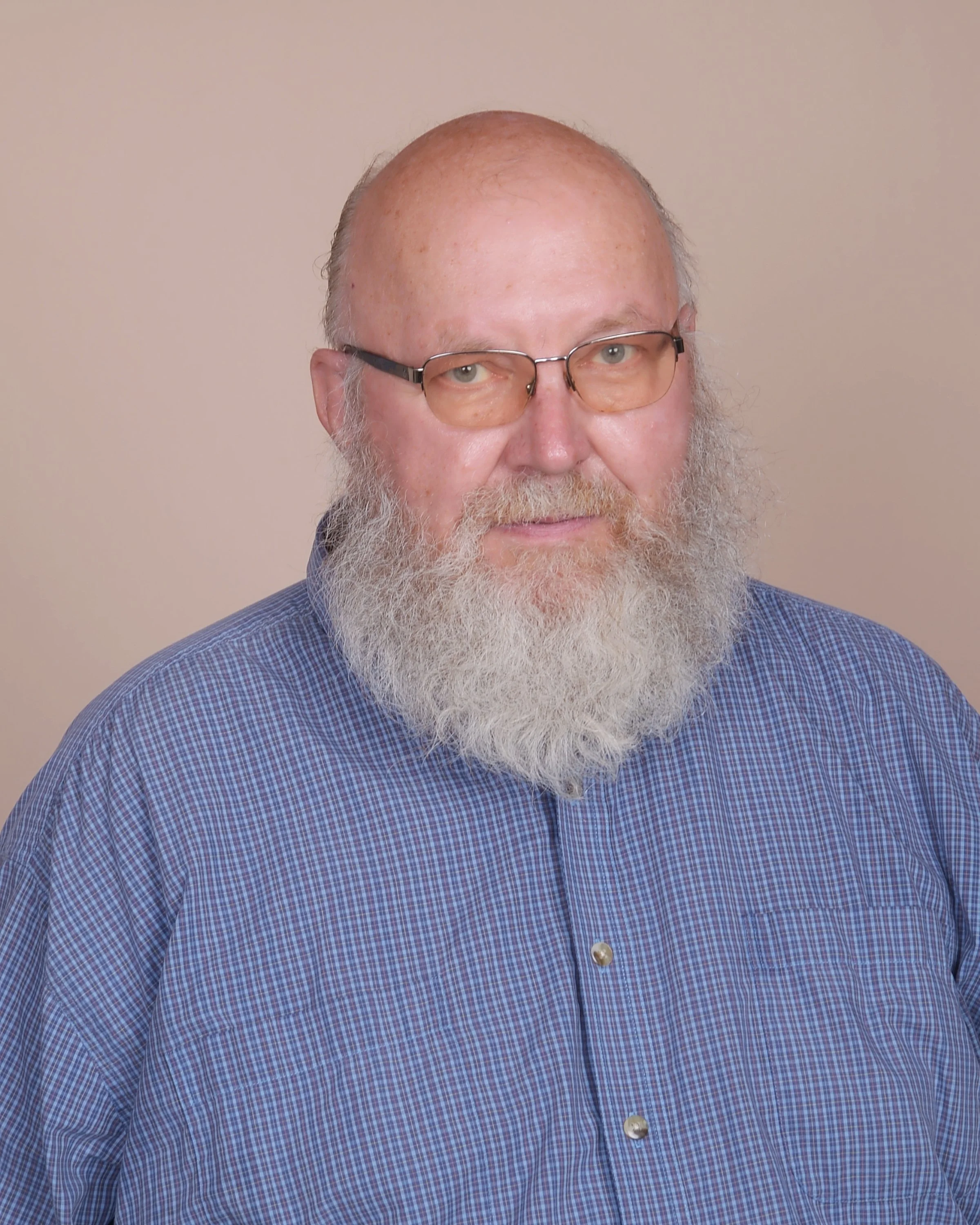
Ralph Good
Ralph came to Christ while living above a bar and playing in a rock band. He sought fellowship with other believers by attending church. He soon encountered controlling authorities who dominated his life, using him to benefit their organization. This devastated his life and led to a suicide attempt that was stopped by divine intervention.
Ralph Good emerged from this harrowing experience of spiritual abuse in his twenties, a period that left him grappling with profound emotional pain. Determined to seek the truth, he dedicated decades to an intensive study of scripture, searching for insights that could clarify the often-misunderstood concepts of authority and faith. Through his research, Ralph unearthed critical revelations about the dangers posed by false teachers. By bringing these insights to light, Ralph aims to empower others to recognize and avoid harmful influences that can lead believers astray.
Ralph's commitment to his community extends beyond his scriptural studies; his volunteer efforts have garnered significant recognition, earning him commendations from Pennsylvania's Governor and accolades from both the State Senate and the House of Representatives.